


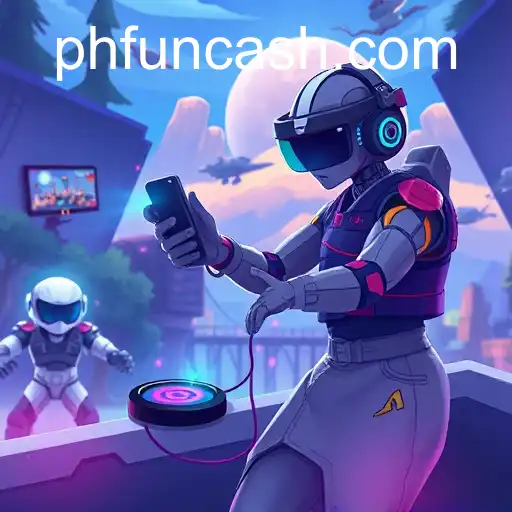
An exploration into the evolving landscape of online gaming, focusing on innovations and community shifts in 2025.
In recent years, the online gaming landscape has experienced significant transformations, with 2025 marking a pivotal moment. Platforms like 'phfun' have emerged as key players, providing a rich tapestry of games that cater to a diverse audience. The rise of AI integration and virtual reality components has further enriched the user experience, making it more immersive and engaging.
This year, the trend of online gaming has been met with a burgeoning community of gamers worldwide, shifting the dynamics from casual gaming to more competitive and collaborative experiences. Platforms harness cutting-edge technology to offer real-time multiplayer capabilities and AI-driven personalization, which tailors the gaming experience to individual preferences and skill levels. Such advancements have not only set new standards for player satisfaction but also expanded accessibility, drawing in gamers from all walks of life.
Importantly, 'phfun' exemplifies this trend by continuously updating its game library with innovative titles that captivate audiences through captivating storytelling and dynamic gameplay. The platform's commitment to fostering a safe and inclusive gaming environment has endeared it to a global community, enhancing its reputation as a leader in the gaming industry.
Reports indicate that the gaming sector's rapid growth is driven by a mix of technological innovation and shifting cultural dynamics, as gaming becomes an increasingly mainstream pastime. This evolution is also fueled by the integration of social media components, which enable players to connect, share experiences, and form communities that extend beyond the virtual worlds they explore.
As we delve deeper into 2025, it's evident that the synergy between technology and community within the gaming industry is setting the stage for a transformative future. The continuous evolution of platforms such as 'phfun' not only reflects current trends but also points to a broader narrative of how digital landscapes are reconstructing entertainment paradigms globally.

