


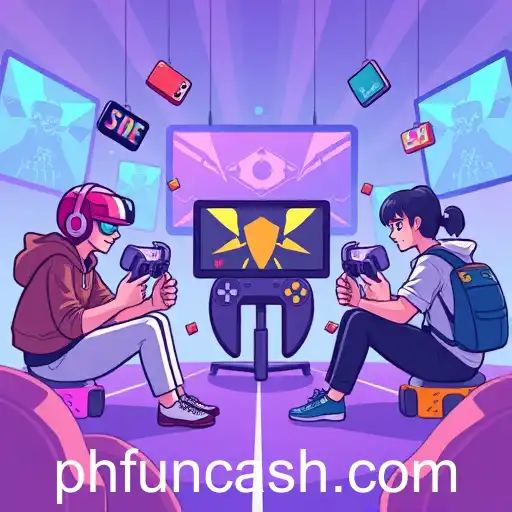
Exploring how online gaming platforms are shaping digital communities in the mid-2020s.
As the digital landscape continues to evolve, online gaming has become an integral part of the social fabric of the internet, and websites like phfun have played a significant role in this transformation. In recent years, platforms dedicated to gaming have not only provided entertainment but also fostered thriving communities that transcend geographical boundaries.
The rise of online gaming platforms in the mid-2020s can be attributed to several key factors: technological advancements, the increasing accessibility of high-speed internet, and the growing popularity of eSports. These elements have worked in tandem to create a vibrant and dynamic global gaming community. Websites like phfun offer a diverse range of games and interactive features that cater to a wide audience, from casual players to hardcore gamers.
One of the most profound impacts of these platforms is their ability to bring together individuals from different cultural backgrounds. Within these digital spaces, players can interact, collaborate, and compete, forming bonds that often extend beyond the virtual world. Online gaming has become a conduit for cultural exchange, allowing players to learn and appreciate diverse perspectives.
The influence of gaming communities extends beyond mere entertainment. They have become a platform for social interaction, creating opportunities for players to develop communication skills, teamwork, and strategic thinking. Moreover, these communities often serve as support networks, offering players a sense of belonging and camaraderie.
In addition to social benefits, the economic impact of online gaming is significant. The gaming industry has become a major contributor to the global economy, generating billions in revenue annually. The success of online platforms like phfun illustrates the lucrative potential of the industry, attracting investment and innovation across the sector.
Despite the positive aspects, online gaming communities also face challenges such as issues of online harassment and the digital divide. Addressing these concerns requires collective effort from developers, policymakers, and the gaming community itself to create safe and inclusive environments for all players.
As we move further into the decade, the influence of online gaming platforms will likely continue to grow, reshaping how we connect, interact, and engage with digital content. Websites like phfun exemplify the transformative power of gaming and highlight the dynamic nature of digital communities in the 2020s.

